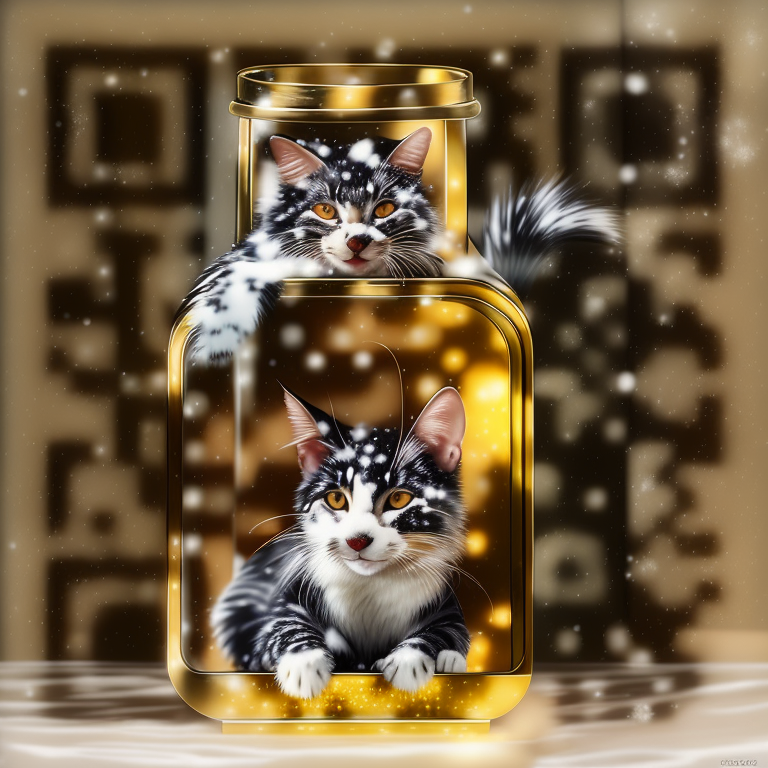
# --qrw (QR Weight)

## V1 (in use for /generate, /qrart and /quickqrart)

**QR Weight (--qrw)**:

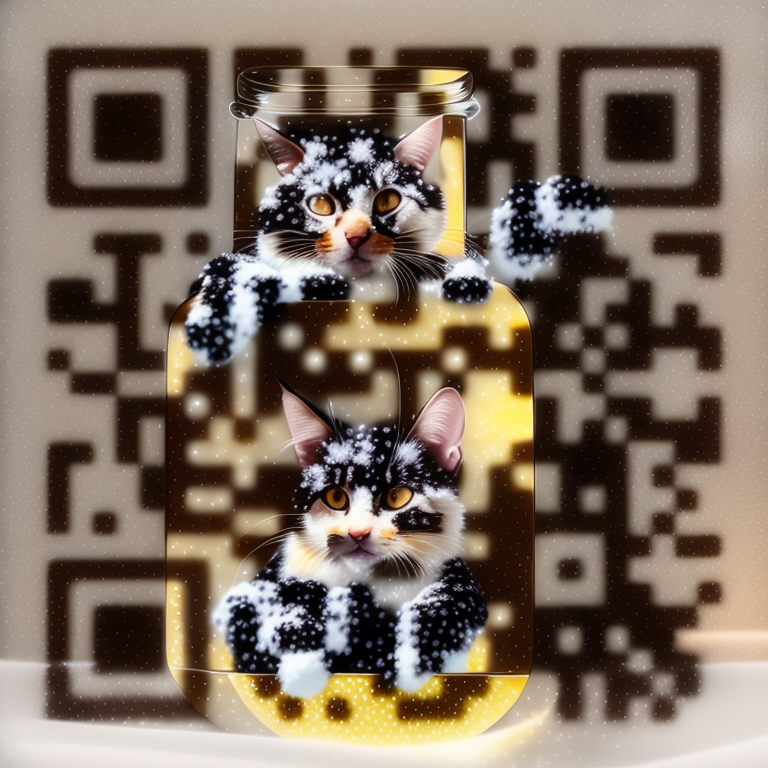
* This parameter determines how much emphasis the final image will place on your QR code.
* The default value is 0.8, but you can adjust it between 0 and 3. However, from our experiments QR Art has good range from `0.7 - 0.9` (try increase/decrease 0.05 each time until you can find the balance).
* Higher values will make the QR code more prominent in the generated image.

## V2 (only apply for /blend at the moment )

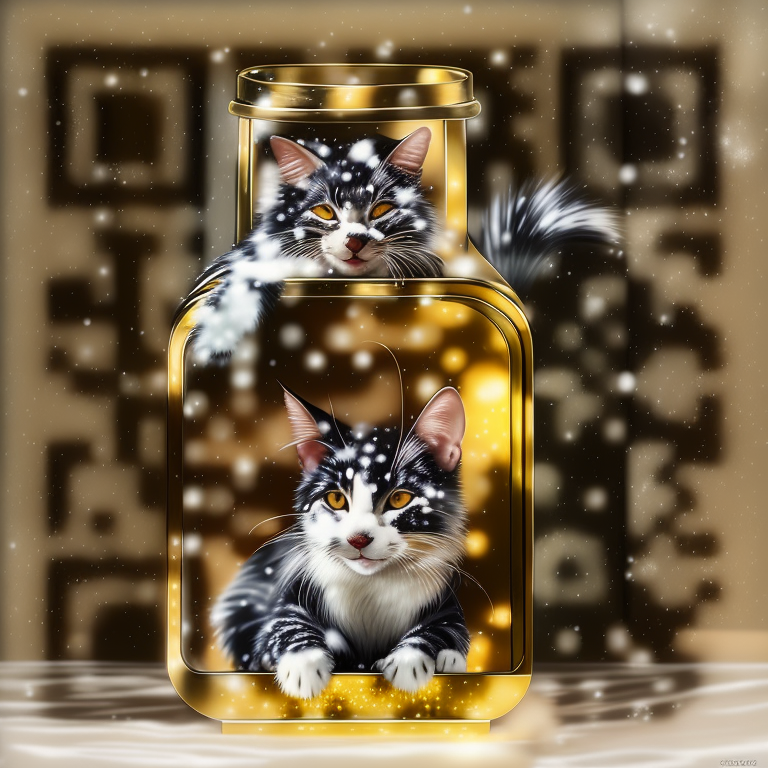
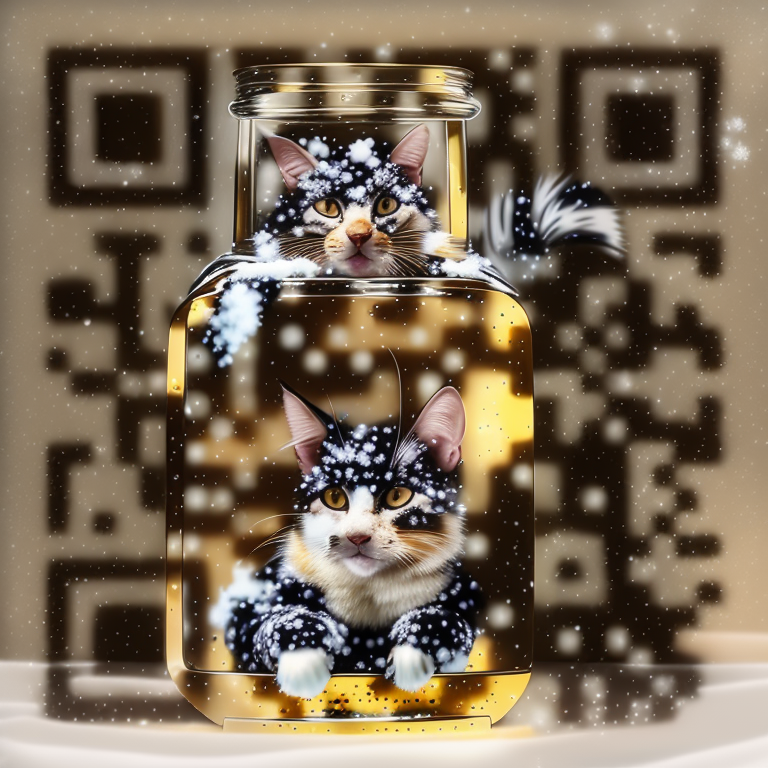
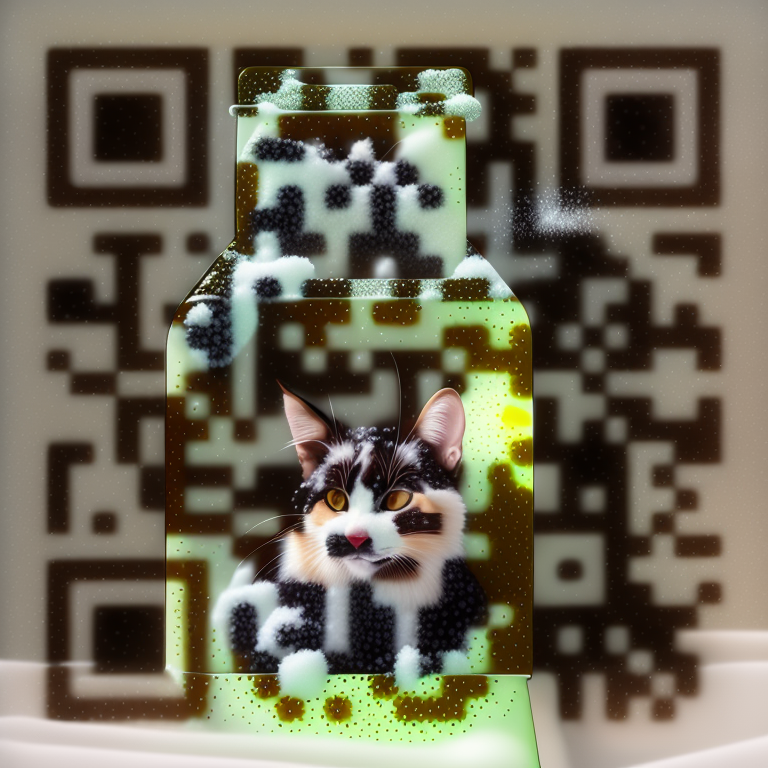
This parameter improves QR Art readability. Pass <mark style="color:blue;">**two**</mark> values, with the first value being the main driver and the other as supporter.&#x20;

Recommended: `--qrw (0.8, 0.9)` for visually appealing results. In situations where increasing the main driver value alone doesn't provide sufficient readability, adjusting the support value toward 3 can improve contrast and readability in the QR Art.

Avoid common mistakes:

* For `--qrw`, use <mark style="color:green;">**two**</mark> values (e.g., `--qrw (0.8, 0.9)`) for proper contrast and readability.

<table><thead><tr><th width="223.33333333333331"></th><th width="173">Output</th><th width="332">Prompt</th></tr></thead><tbody><tr><td>Base Image</td><td><img src="/files/vjuEX1bnOjuDGE1YgFvt" alt=""></td><td></td></tr><tr><td>--qrw (0.8,0.9) (default)</td><td><img src="/files/AkC0X4EZsajo1cveIkWf" alt=""></td><td>snow --iw (1,1,0:100) --qrw (<mark style="color:blue;"><strong>0.8,0.9</strong></mark>) --blend 0.05 --seed 7376596062157470</td></tr><tr><td>--qrw (0.1,0.1)</td><td><img src="/files/CSF3ZJgKZWFBDH1ohmMj" alt=""></td><td>snow --iw (1,1,0:100) --qrw (<mark style="color:blue;"><strong>0.1,0.1</strong></mark>) --blend 0.05 --steps 16 --seed 7376596062157470</td></tr><tr><td>--qrw (0.6,0.4)</td><td><img src="/files/d5LASCDODVFa9Pi6853Q" alt=""></td><td>snow --iw (1,1,0:100) --qrw (<mark style="color:blue;"><strong>0.6,0.4</strong></mark>) --blend 0.05 --steps 16 --seed 7376596062157470</td></tr><tr><td>--qrw (0.1,1)</td><td><img src="/files/N9mpk71vOozi4tMGHA2Q" alt=""></td><td>snow --iw (1,1,0:100) --qrw (<mark style="color:blue;"><strong>0.1,1</strong></mark>) --blend 0.05 --steps 16 --seed 7376596062157470</td></tr><tr><td>--qrw (1,0.1)</td><td><img src="/files/kkbwdvCT05IpjeDqZGHZ" alt=""></td><td>snow --iw (1,1,0:100) --qrw (<mark style="color:blue;"><strong>1,0.1</strong></mark>) --blend 0.05 --steps 16 --seed 7376596062157470</td></tr></tbody></table>


---

# Agent Instructions: Querying This Documentation

If you need additional information that is not directly available in this page, you can query the documentation dynamically by asking a question.

Perform an HTTP GET request on the current page URL with the `ask` query parameter:

```
GET https://docs.quickqr.art/user-guide/parameter-list/qrw-qr-weight.md?ask=<question>
```

The question should be specific, self-contained, and written in natural language.
The response will contain a direct answer to the question and relevant excerpts and sources from the documentation.

Use this mechanism when the answer is not explicitly present in the current page, you need clarification or additional context, or you want to retrieve related documentation sections.